
What is Engine Bench Test?
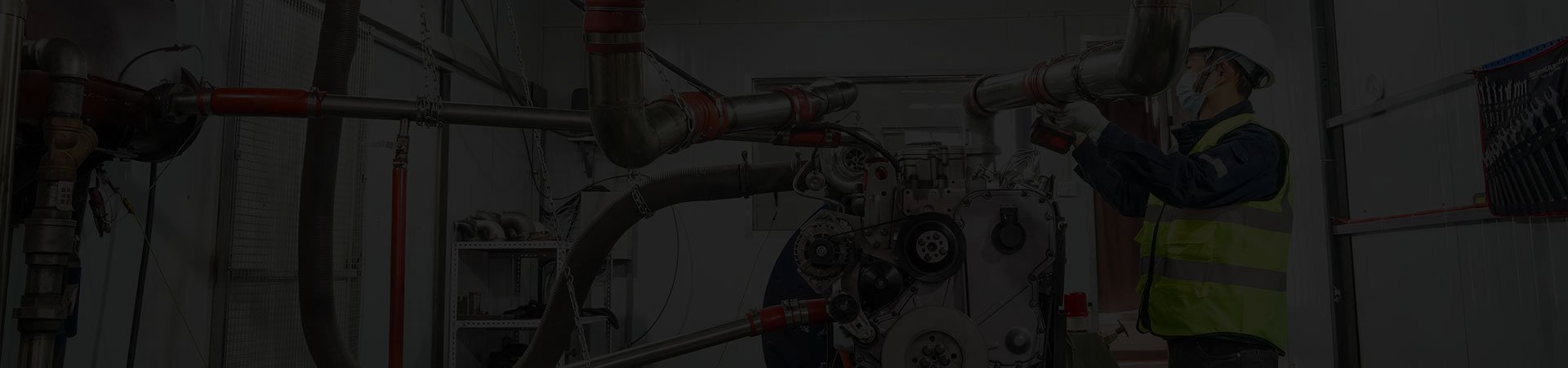
Engine bench test is a standardized method for comprehensive engine performance evaluation. Engine bench testing is to use the engine as an independent assembly and install it on a dedicated fixed or movable test bench. Simulate its work in actual working conditions and environments. And use high-precision dynamometers and various sensors to conduct comprehensive tests to accurately measure and evaluate key indicators such as performance, reliability, economy, and emissions.
Why We Need to Bench Test Engines?
Every engine provided by TOREV has undergone rigorous and scientific bench testing before leaving the factory to ensure that its performance and reliability fully meet your requirements.
How TOREV Bench Tests Your Engine?
TOREV bench testing has 8 important steps.
-
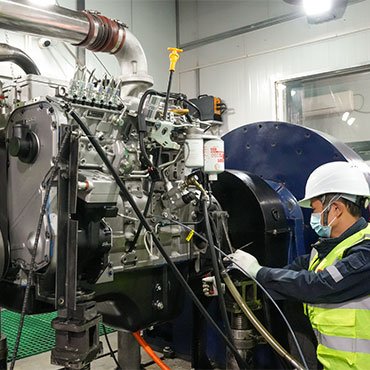 Step 1: Test Preparation
Ensure that the engine dynamometer, fuel consumption meter, data acquisition system, as well as various temperature, pressure, and rotational speed sensors have all been calibrated and are functioning properly.
-
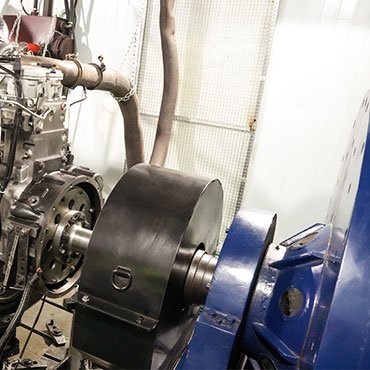 Step 2: Engine Installation and Alignment
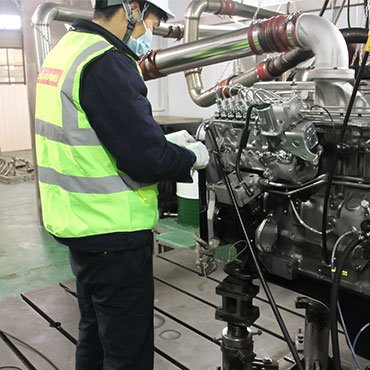
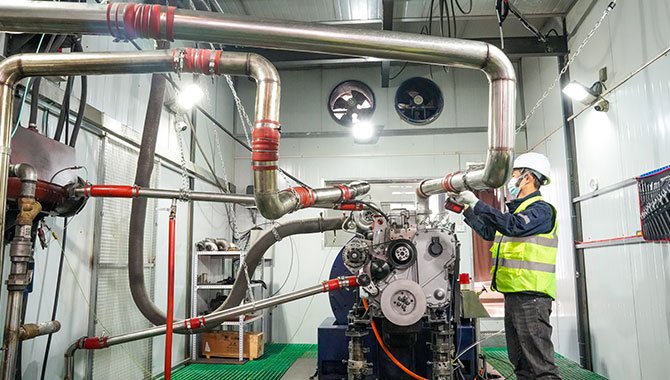
Lifting and centering: Use lifting equipment to place the engine smoothly on the test stand, and connect it to the engine dynamometer through an elastic coupling.
-
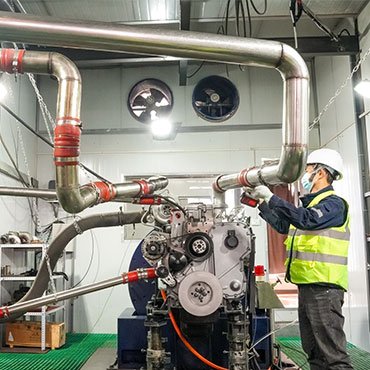 Step 3: Connect the Pipelines and Wiring Harnesses of Each System
Connect the intake and exhaust pipes of the engine and all other related pipes accordingly. Install all necessary sensors and wiring harnesses to ensure no malfunctions.
-
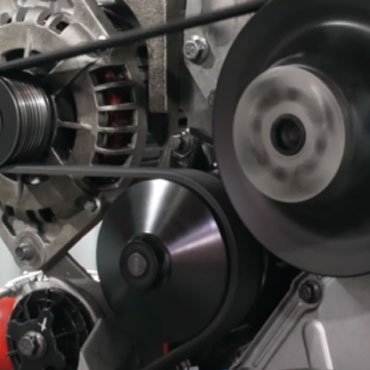 Step 4: Start-up and Preheating
The engine dynamometer drives the engine to operate, providing initial lubrication for the moving parts. After startup, it runs for several minutes at no load or very low load before the coolant is preheated to the specified temperature.
-
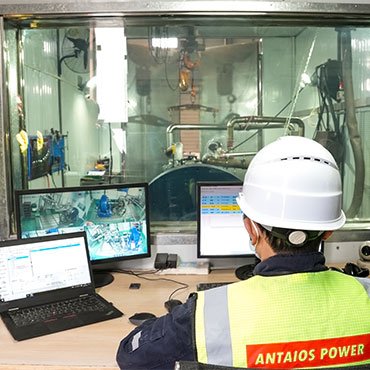 Step 5: Perform Various Performance Tests
We perform a range of performance tests, including external characteristic tests, emission certification tests, durability and reliability tests, alternating load tests,etc,to comprehensively evaluate the performance from multiple aspects.
-
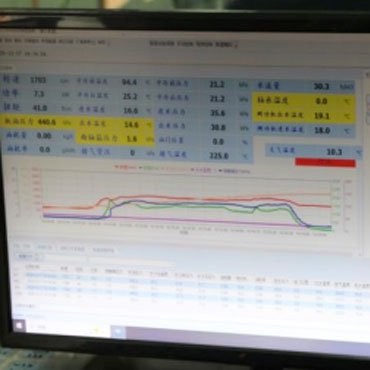 Step 6: Data Recording and Monitoring
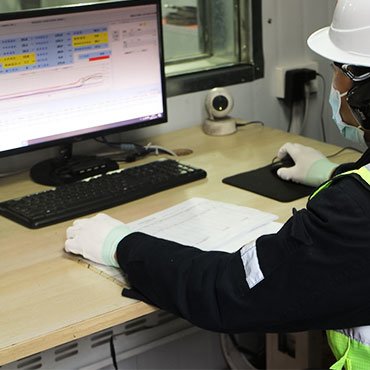
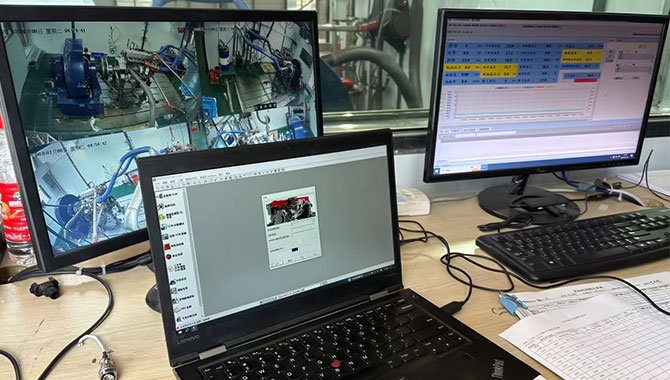
The automated data acquisition system continuously records data from all sensors. Engineers monitor the key parameter curves (such as power, torque, etc.) in real time in the control room.
-
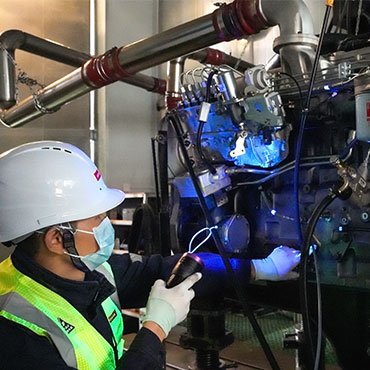 Step 7: Post-test Inspection and Handling
Check for any oil or coolant leakage. Inspect for fuel leakage at the fuel pipe joints and the sealing points of the fuel injectors. Perform an internal disassembly inspection and precise measurement.
-
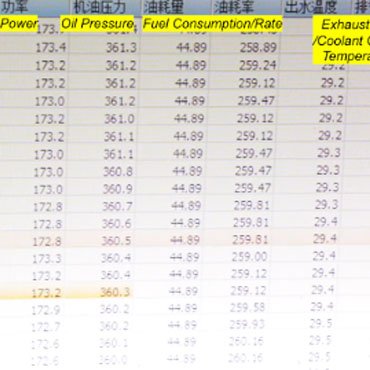 Step 8: Issue Test Report
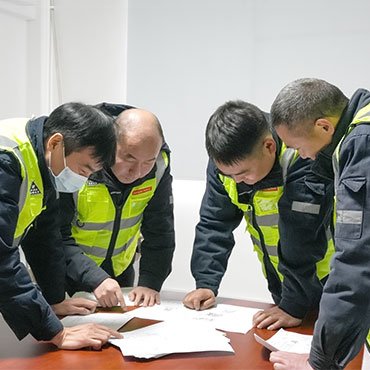
Summarize all the inspection results, measurement data, photos and analysis conclusions, and form a detailed Test Report .
TOREV Advantage 1: Number of Test Data
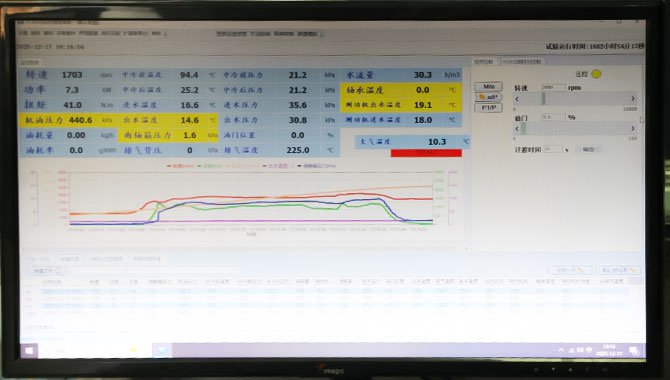
Comprehensive Data Collection: 23 Parameters Monitored
Performance indicators: We will test 18 data points including engine power, speed, torque, intake temperature and pressure, exhaust temperature and pressure, oil temperature and pressure, fuel consumption rate, crankcase pressure, post-intercooler temperature, post-intercooler pressure, pre-intercooler temperature, post-intercooler temperature, etc.;
Pollutant emission indicators: We can also test 5 pollutant emission indicators including NOx, CO, HC, and smoke.
TOREV Advantage 2: Reliable Test Data
During engine testing, we simultaneously collect data measured by the dynamometer and data measured by engine sensors, and cross-verify the 2 types of data to ensure the reliability of the test data.
TOREV Advantage 3: Standardized 8 Steps Test
At TOREV, we always adhere to an 8-step standard process to test every engine, ensuring they meet the requirements of the Technical Agreement and factory standards.
TOREV Advantage 4: Full Traceability
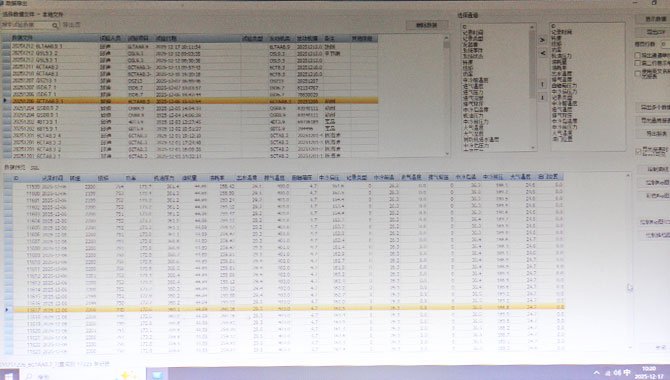
Full Traceability: Data, Video & Report Archived for Each Engine
After successful testing, we provide the user with a professional test report.
FAQ1:
What are the acceptance criteria for TOREV engines?
- Strict adherence to standardized testing procedures
- Verification against Technical Agreement& Factory Standards
- Inspection of components and external configuration
- Inspection of random accessories and packaging.
- Issue inspection repor
Tell us what you need
Share your engine model, part number and quantity.